
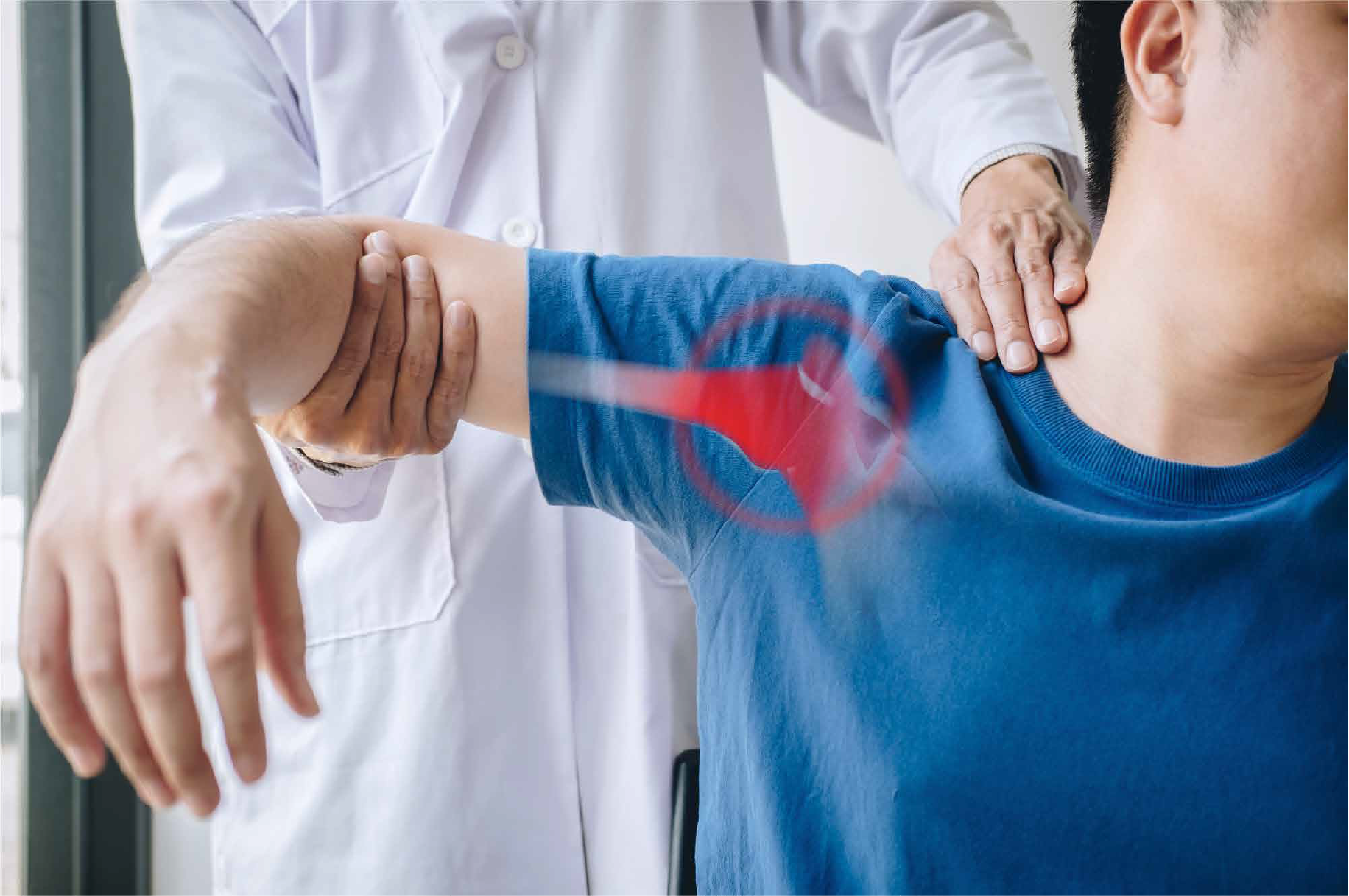
Labral Tears in the Shoulder: Understanding Bone and Joint Injury, Stability, and Keyhole Surgery Treatment in Singapore, By Dr Benjamin Ang
INTRODUCTION
Shoulder pain, instability, or a feeling that the joint is “not quite right” can sometimes be traced to a labral tear, a bone and joint injury affecting the cartilage that helps stabilise the shoulder.
In Singapore, labral tears are commonly seen following trauma such as shoulder dislocation, sports injuries, or repetitive strain, particularly among active individuals and those involved in physically demanding activities.
While shoulder dislocation is one of the most frequent causes, not all labral tears occur this way. Regardless of the cause, a labral tear can affect shoulder stability, strength, and confidence in everyday movement.
Understanding this condition and the available treatment options, including modern keyhole surgery in Singapore, is an important step towards restoring function and preventing further injury.
WHAT IS A LABRAL TEAR?
The shoulder is the most mobile bone and joint in the body, allowing the arm to move freely in multiple directions. This wide range of motion, however, also makes it more vulnerable to injury.
The labrum is a ring of cartilage that surrounds the socket of the shoulder joint. Its role is to:
- Deepen the socket
- Improve joint stability
- Help keep the ball of the upper arm bone securely in place
When the labrum is torn, the stability of this important bone and joint structure may be compromised.
Labral tears can occur due to:
- Shoulder dislocation
- Sports injuries, particularly overhead or contact sports
- Falls onto an outstretched arm
- Repetitive strain over time
- Sudden pulling or lifting injuries
One common type of labral tear associated with dislocation is known as a Bankart lesion.
WHAT ARE THE SYMPTOMS OF A LABRAL TEAR?
Symptoms can vary depending on the severity of the injury, but commonly include:
- A sensation of the shoulder “slipping,” “catching,” or “giving way”
- Pain during overhead or rotational movements
- Weakness in the shoulder
- Clicking or grinding sensations
- Reduced confidence in shoulder stability
- Recurrent shoulder dislocations in some cases
Many patients in Singapore with this type of bone and joint injury may continue daily activities but notice discomfort, especially during sports or lifting.
IS SURGERY ALWAYS REQUIRED?
Not all labral tears require surgery. Many patients in Singapore can be managed successfully with non-surgical treatment, particularly if the tear is small or symptoms are mild.
Non-surgical management may include:
- Rest and activity modification
- Physiotherapy to strengthen shoulder muscles
- Rehabilitation to improve joint stability and control
However, surgery may be considered if:
- The shoulder remains unstable
- There are repeated dislocations
- Symptoms persist despite rehabilitation
- The individual participates in sports or physically demanding activities
- Shoulder function is significantly affected
Treatment decisions are individualised based on the patient’s needs, lifestyle, and functional goals.
WHAT DOES LABRAL REPAIR KEYHOLE SURGERY INVOLVE?
When surgery is recommended, labral repair is typically performed using minimally invasive keyhole surgery in Singapore, also known as arthroscopic surgery. Through small keyhole incisions, specialised instruments and a camera are inserted into the bone and joint. The torn labrum is carefully reattached to the bone using small anchors.
This advanced keyhole surgery technique in Singapore aims to:
- Restore shoulder stability
- Improve strength and function
- Reduce the risk of future dislocations
- Protect the joint from further damage
Keyhole surgery allows for precise repair while minimising disruption to surrounding tissues, resulting in less pain and faster recovery compared to traditional open surgery.
WHAT IS THE RECOVERY PROCESS LIKE?
Recovery involves both healing and rehabilitation. The shoulder is usually supported in a sling for several weeks, followed by a structured physiotherapy programme to:
- Restore range of motion
- Rebuild strength
Improve stability and control
Most patients in Singapore return to daily activities within a few months. Return to sports typically takes around 4 to 6 months, depending on the individual and type of activity. A gradual, guided recovery is important to achieve the best long-term outcome for this bone and joint condition.
WHY EARLY ASSESSMENT IS IMPORTANT?
Labral tears can affect shoulder stability and increase the risk of further bone and joint damage if left untreated.
Early assessment in Singapore allows for appropriate treatment, whether non-surgical or with keyhole surgery, helping to:
- Restore joint stability
- Prevent repeated dislocations
- Maintain long-term shoulder health
- Support a safe return to normal activities
SPECIALIST BONE AND JOINT CARE IN SINGAPORE
Persistent shoulder pain, instability, or repeated dislocations should not be ignored.
Early evaluation by a Singapore orthopaedic specialist experienced in bone and joint conditions and keyhole surgery helps identify labral injuries and determine the most appropriate treatment plan.
Arrange a specialist consultation at our Orthopaedic clinic in Singapore: https://activortho.sg/contact-activ-orthopaedic-centre/