
Understanding Hip Arthroscopy: A Minimally Invasive Approach to Hip Problems in Singapore, By Dr Benjamin Ang
INTRODUCTION
Hip pain, stiffness, or discomfort during movement can significantly affect daily activities, exercise, and overall quality of life. While some hip problems improve with rest or physiotherapy, others may involve structural issues within the joint that require more specialised treatment.
In Singapore, hip-related conditions are increasingly recognised among active individuals, athletes, and even those with persistent hip discomfort affecting everyday function. Problems such as labral tears, hip impingement, cartilage injuries, or loose fragments inside the joint can sometimes lead to ongoing pain, reduced mobility, and limitations in physical activity.
Hip arthroscopy, also known as minimally invasive keyhole surgery, is a modern surgical technique used to diagnose and treat selected hip conditions through small incisions. Understanding how hip arthroscopy works and when it may be considered can help patients make informed decisions about their bone and joint health.
WHAT IS HIP ARTHROSCOPY?
Hip arthroscopy is a minimally invasive form of keyhole surgery used to diagnose and treat problems within the hip joint.
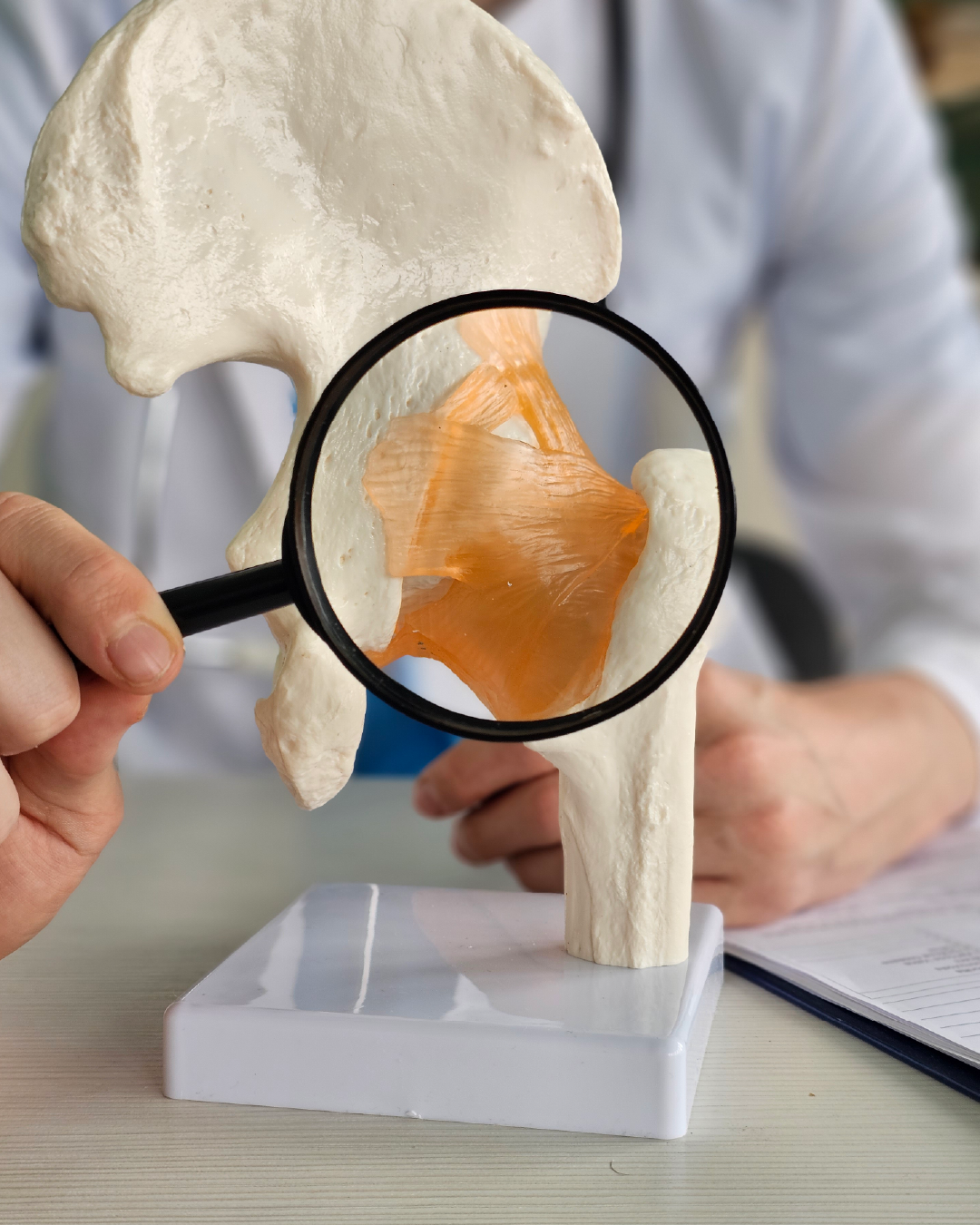
The hip is a ball-and-socket joint that allows smooth movement while supporting body weight during walking, standing, and physical activity. Because of its important role in mobility, hip problems can affect comfort, flexibility, and function.
During hip arthroscopy, a small camera called an arthroscope is inserted into the joint through tiny incisions. Specialised instruments are then used to assess and treat the problem without the need for large surgical cuts.
Hip arthroscopy may be used to treat conditions such as:
- Hip labral tears
- Femoroacetabular impingement (FAI), also known as hip impingement
- Cartilage damage within the hip joint
- Loose bodies or fragments inside the joint
- Certain causes of persistent hip pain that do not improve with conservative treatment
This minimally invasive bone and joint procedure allow orthopaedic specialists in Singapore to address selected hip problems with greater precision while minimising disruption to surrounding tissues.